

CHINGMU Powers the World Humanoid Robot Games (WHRG 2026) with High-Precision Motion Capture
Shanghai, China – September 1, 2026 – Robots playing tennis, sprinting 100 meters, performing cheerleading, tackling complex scenario tasks, and executing dexterous manipulations — the 2nd World Humanoid Robot Games concluded on August 26 at Beijing’s National Speed Skating Oval . With 666 teams and 2,056 robots from 16 countries competing across a series of high-dynamic, high-difficulty events, humanoid robots’ athletic capabilities once again took center stage.
Behind these spectacular moments lies a critical yet often overlooked data pipeline.
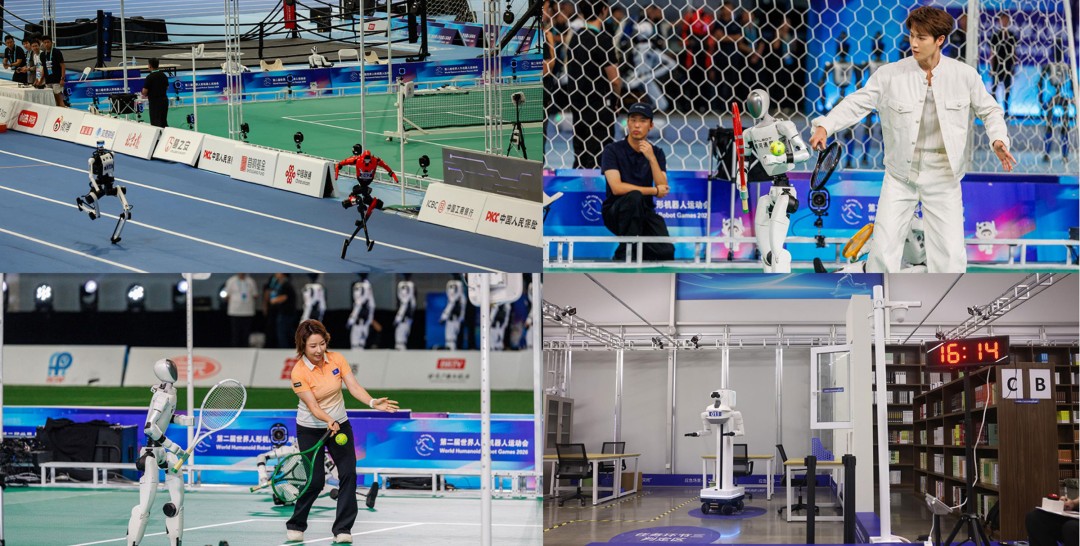
As the motion capture technology provider for WHRG 2026, CHINGMU deployed high-precision optical systems to capture sub-millimeter positioning, tracking, and motion data across venues.The systems translate robots’ real-time positions, trajectories, and posture changes into recordable, analyzable data — laying a high-precision foundation for motion documentation, post-event performance analysis, and quantitative evaluation.

Part 01|The Better Robots Move, the More They Need a High-Precision “Ruler”
At the opening ceremony, Galbot’s “AstraTennis Moment” became the highlight of the night — a humanoid robot played tennis alongside Grand Slam champion Zheng Jie and “experience officer” Lin Yunrui, executing forehands, backhands, serves, returns, and baseline movements. This high-speed ball sport vividly demonstrated the robot’s full-body coordination, dynamic response, and motion control to the public. Robot table tennis, showcased alongside the tennis match, also drew significant attention both on and off the court.
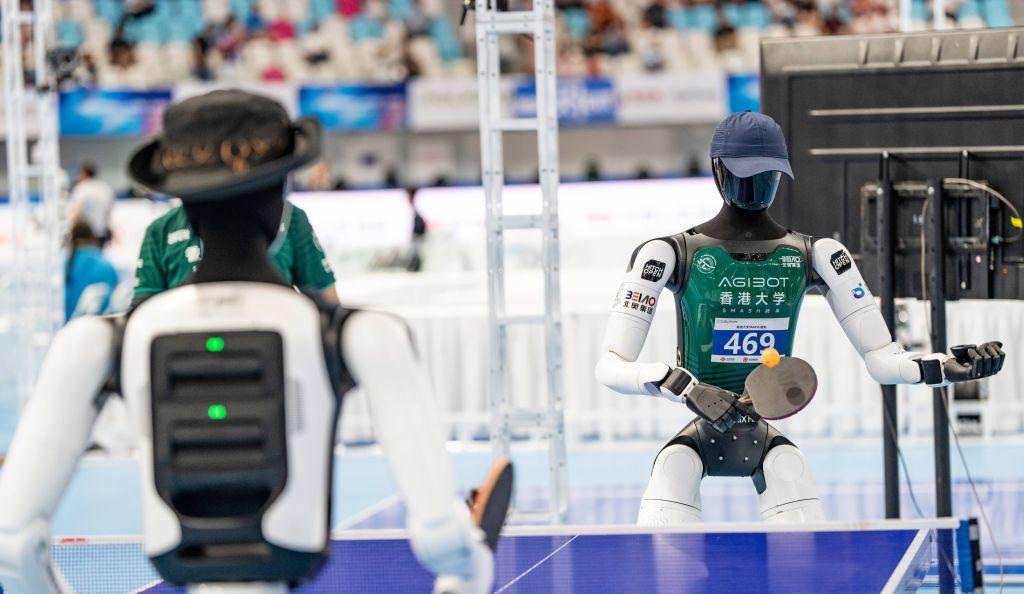
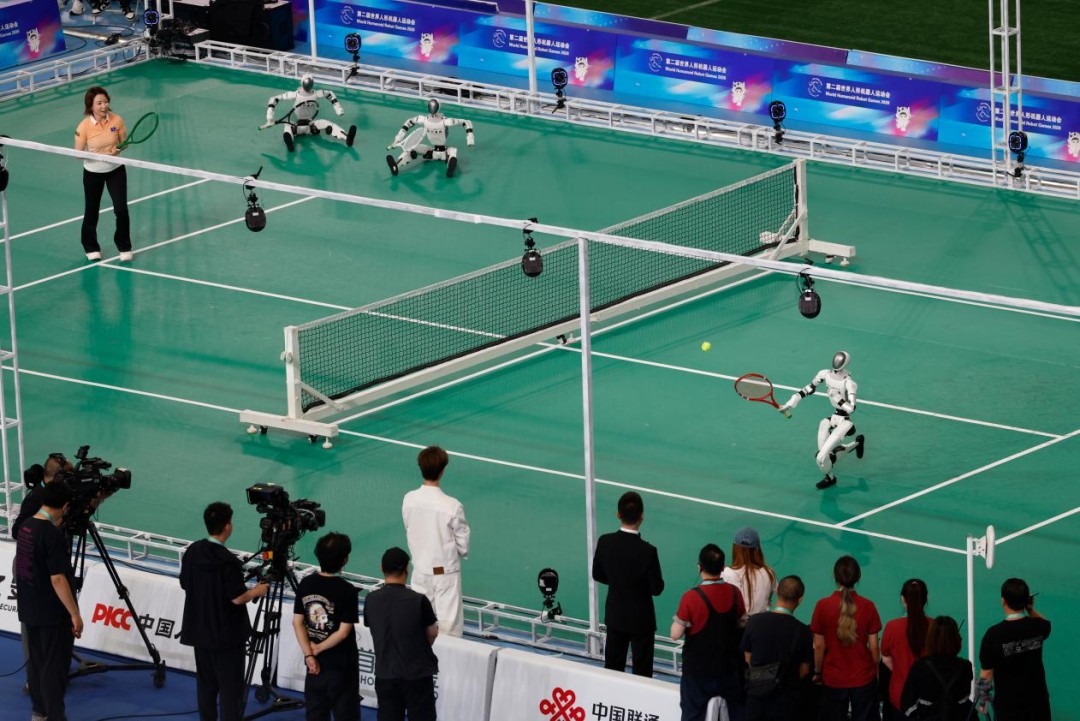
These high-dynamic scenarios raise a fundamental question: as robots become increasingly athletic, how do we accurately record and evaluate their performance?
In high-speed ball sports, the spatial relationships among the ball, racket, robot body, court, and opponent are constantly shifting. Simply knowing “whether the ball went over” is far from enough — was the trajectory accurate? Was the body posture stable? How much did the execution deviate from the intended motion?
These questions, invisible to the naked eye, can only be answered through data.
As an independent measurement layer beyond a robot’s onboard sensing, optical motion capture systems provide high-precision spatial localization and motion tracking of robots, humans, and balls from an external perspective — delivering a unified measurement benchmark and high-accuracy ground truth for motion analysis and performance validation.
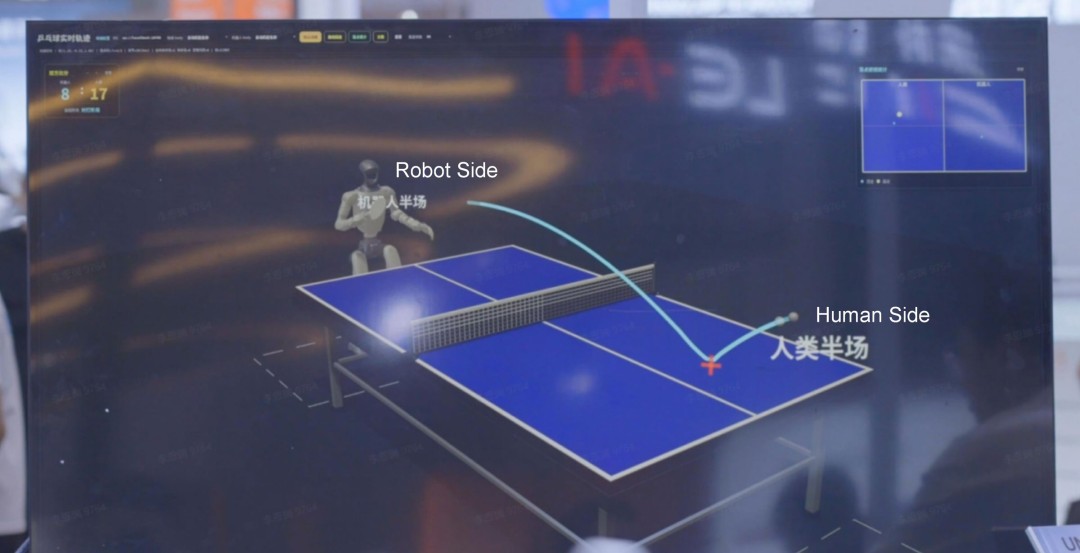
If a robot’s own sensors help it perceive the world, an external high-precision motion capture system acts as an independent “spatial ruler” — it doesn’t make decisions for the robot; it accurately records how the robot actually moves.
Part 02|From “Looks Good” to “Proven by Data”
This year’s Games featured multiple scenario-based events, dexterous hand competitions, and a pentathlon— all designed to mirror real-world application environments. From fine manipulation to full-body motion, the events comprehensively tested robots’ perception, decision-making, control, and execution capabilities.
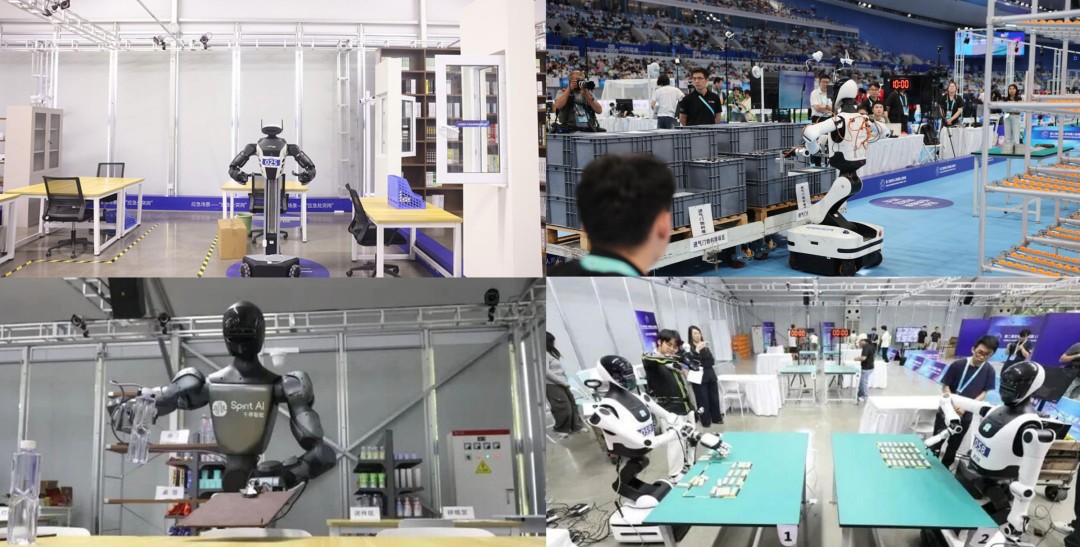
Tailored to each scenario, CHINGMU deployed hybrid marker-based and markerless motion capture solutions. Using K Series, MC Series, and R3 motion capture cameras paired with CMAvatar software, the systems delivered high-precision positioning, tracking, and motion data acquisition for robot movements.
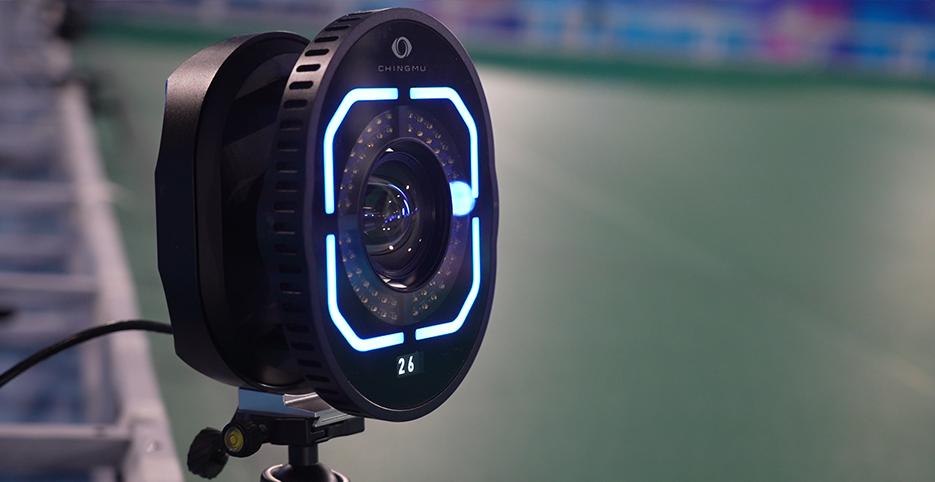
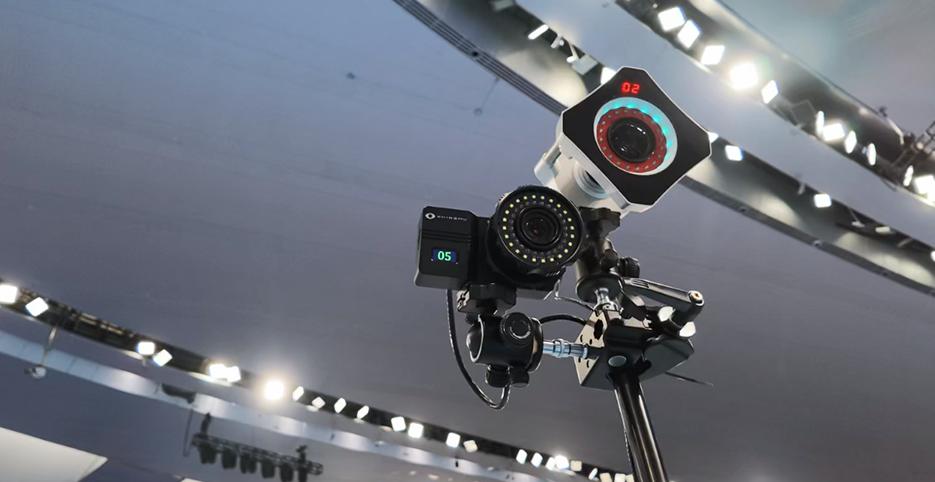
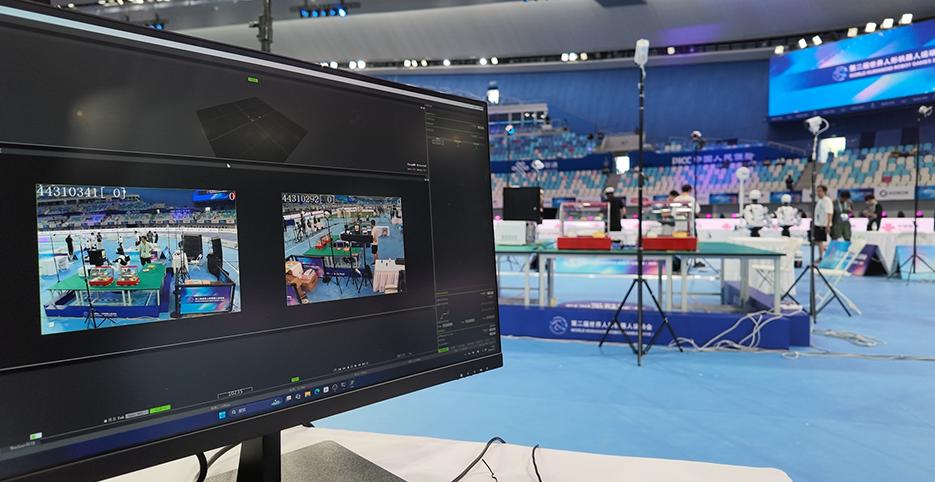
Many events featured fully autonomous robot operation. The motion capture systems deployed on-site did not participate in robot control or decision-making; instead, as independent external measurement tools, they converted real motion into computable data — position, posture, trajectory, velocity, stability, and more.
A standard camera records “what happened”; a motion capture system records “how exactly it happened.” When motion is quantified into objective metrics — trajectory deviation, posture variation, stability — problems once judged only by experience gain a data foundation for review, validation, and algorithm optimization.
Part 03 | From Learning to Validating: How High-Quality Motion Data Drives Robot Evolution
The value of motion capture extends far beyond post-event review. In robot R&D, an increasingly clear data pipeline is taking shape:
Real-world motion → High-quality motion data → Robot training & optimization → Real-machine execution → External measurement & validation → Data feedback loop
High-dynamic ball sports are among the most tangible applications of this pipeline.
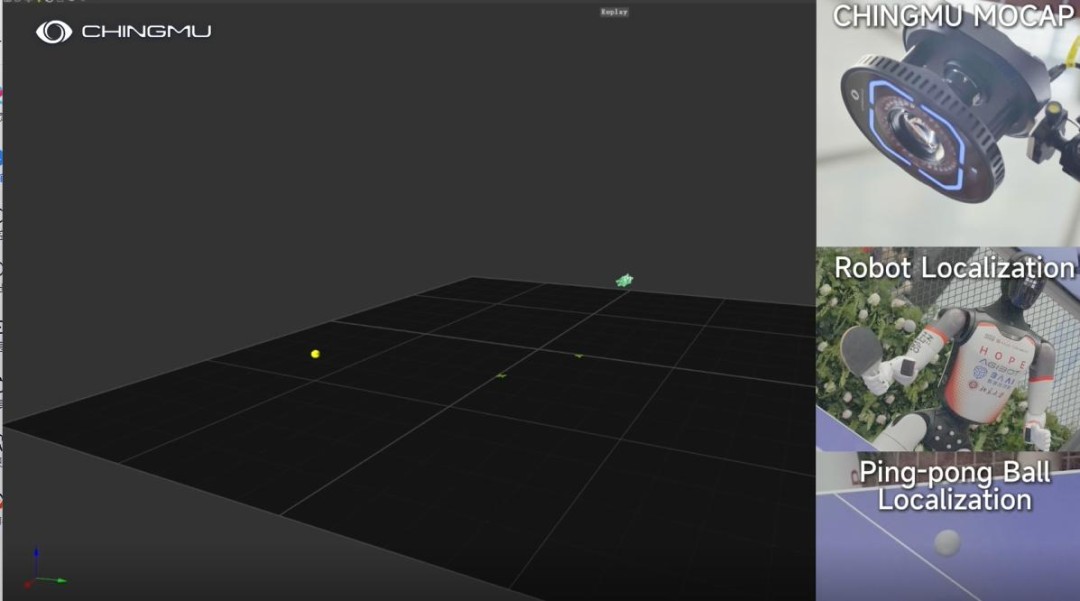
When facing a fast-flying, rapidly changing table tennis ball, robots need not only quick reflexes but also high-precision 3D spatial information. CHINGMU’s high-performance optical motion capture systems enable real-time 3D localization and tracking of both the high-speed ball and the robot body, capturing ball trajectory, velocity, landing point, and robot spatial position — providing high-accuracy data to support motion control, analysis, and performance validation.
CHINGMU has already applied these capabilities across multiple public robotics projects:
- AgiBot — At WAIC 2026, CHINGMU provided its K Series motion capture system to support AgiBot and Peking University in the HOPE AI autonomous-decision humanoid robot table tennis exhibition. The system tracked the high-speed ball’s 3D trajectory and the robot’s spatial position at 300fps, delivering high-precision motion data that enabled autonomous ball striking.
- Unitree Robotics / GigaAI — At WRC 2026, CHINGMU supported Unitree and GigaAI in their robot table tennis scenarios, providing high-speed ball tracking and spatial localization to underpin high-dynamic robot motion.
- Galbot— As a long-term strategic partner, CHINGMU provides motion capture systems for Galbot’s human motion data acquisition and evaluation. This high-quality data fuels Galbot’s robot learning, helping it continuously improve performance in complex motion scenarios.
- EndlessAI—CHINGMU’s MC Series motion capture system tracked the high-speed ball’s 3D trajectory and the robot’s spatial position in real time for EndlessAI’s table tennis robot, enabling accurate trajectory recognition and continuous forehand/backhand rallies.
……
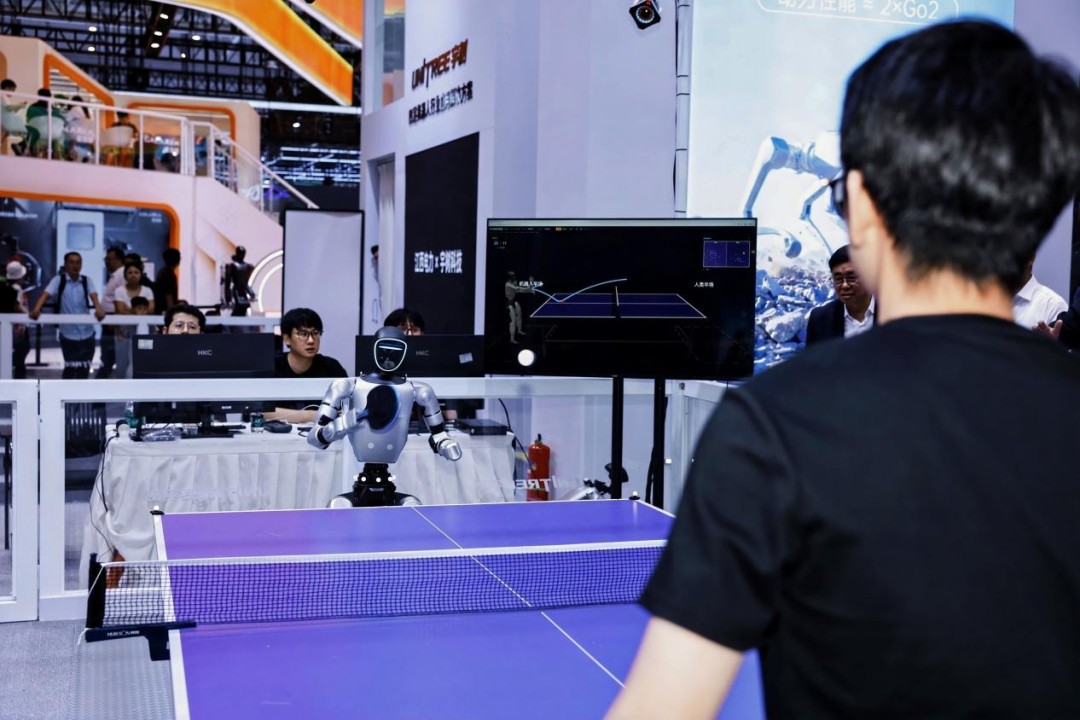
Achieving complex robot motion requires a complete technology stack spanning environmental perception, motion planning, full-body control, and algorithmic models. What motion capture does is transform fleeting real-world motions into data that machines can use, engineers can analyze, and test systems can validate.
Part 04 | One Competition, a Larger Data Loop
As embodied intelligence advances rapidly, robots’ demand for motion data is shifting from one-off collection toward a full-lifecycle closed loop.
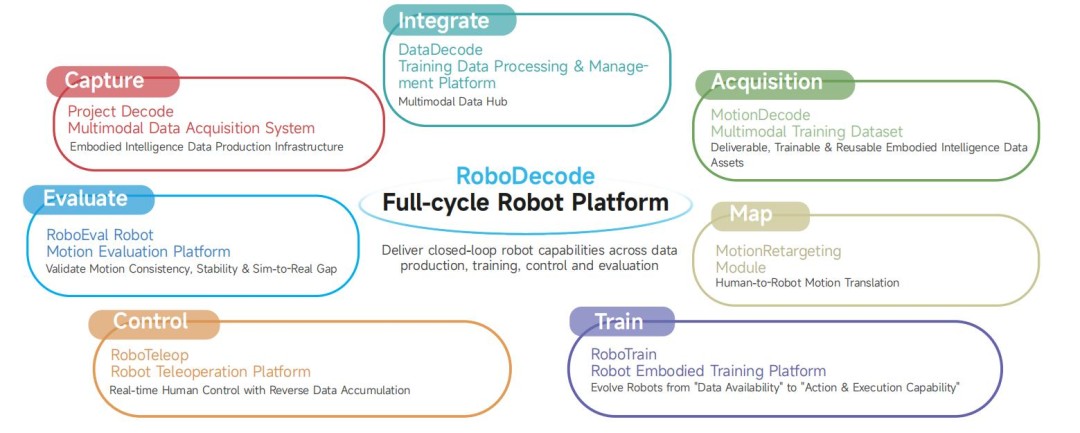
Across the full chain — acquiring real-world data, learning motions, executing tasks, validating performance, and continuous optimization — CHINGMU is building a seven-stage robot motion intelligence framework (Capture, Integrate, Acquisition, Map, Train, Control, Evaluate) grounded in high-precision optical motion capture and multimodal perception.
On the real-world data front, CHINGMU has been accumulating high-quality motion data through initiatives such as MotionDecode. The first batch of 1,000 hours of human motion data has been released as a free, open-source dataset available to the industry, providing a data foundation for robot learning and embodied intelligence research.
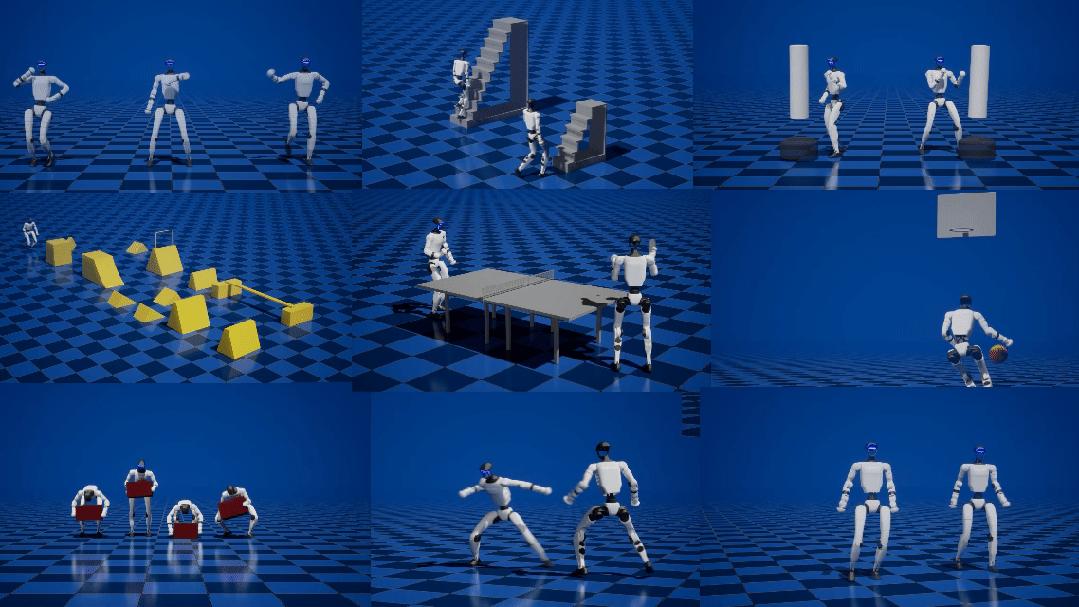
On the execution and validation front, capabilities including motion retargeting, real-time robot teleoperation, high-dynamic target tracking, and robot motion performance evaluation are continuously being deployed. This means motion capture is evolving from simply “capturing motion” to enabling data to enter training, motion to undergo validation, and validation results to feed the next round of optimization — data comes from the real world and ultimately returns to be validated in the real world.
At this year’s Games, many of CHINGMU’s long-term partners — including AgiBot, the Beijing Humanoid Robot Innovation Center, Galbot, LinkerBot, Galaxea, and Unitree Robotics — also delivered outstanding performances.
From robot R&D and data collection to motion testing and performance validation, CHINGMU continues to collaborate deeply with industry leaders and research institutions, providing long-term technical support for robot development and performance improvement through high-precision motion data and measurement technology.
A competition tests a robot’s current capabilities; the data it records marks the starting point for its next improvement. From real-world data collection to robot motion tracking, performance validation, and quantitative evaluation, CHINGMU is transforming robot motion from “visible” to “measurable, explainable, and verifiable.”
Every motion deserves to be recorded accurately. Every improvement should be proven by data.
About CHINGMU
It is a high-end technology enterprise in China that was the first to achieve full-stack self-research (algorithm – hardware – software) in optical motion capture. With computer vision and artificial intelligence technology as its core, it has built a complete 3D intelligent perception and human-computer interaction technology system. The core technology autonomy rate is as high as 100%. Its business covers six fields: embodied intelligence, engineering research, virtual reality, life science, digital entertainment, and Qingtong Education. Qingtong Vision, as a provider of full-scenario spatial intelligent perception and data service process solutions, has provided full-process digital solutions to 1000+ leading universities, enterprises and institutions such as Huawei, Tencent and Tsinghua University.
Media Contact
Company Name: SHANGHAI CHINGMU VISION TECHNOLOGY CO., LTD
Contact Person: CHINGMU
Email: Send Email
Phone: 86 13310099680
City: Shanghai
Country: China
Website: https://en.chingmu.com/


 with High-Precision Motion Capture)